The opportunity

The room is bigger than the resources

Riva Hub's central message is simple: demand and physical space are not the barriers. Operating capacity is.
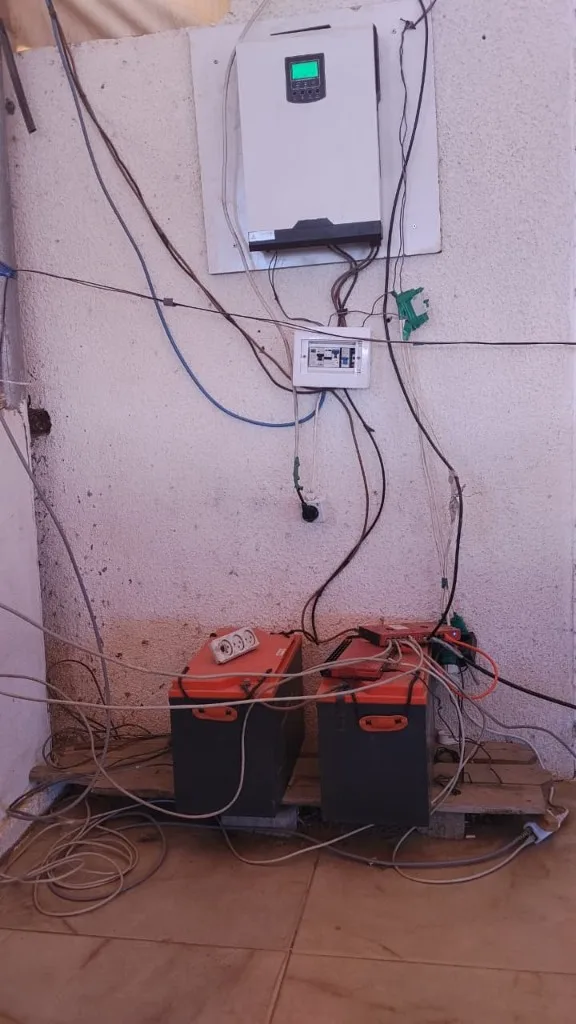
A wall-mounted solar inverter above two batteries connected by a dense bundle of cables
Riva Hub's current inverter and battery bank limit the number of devices that can be powered at once.
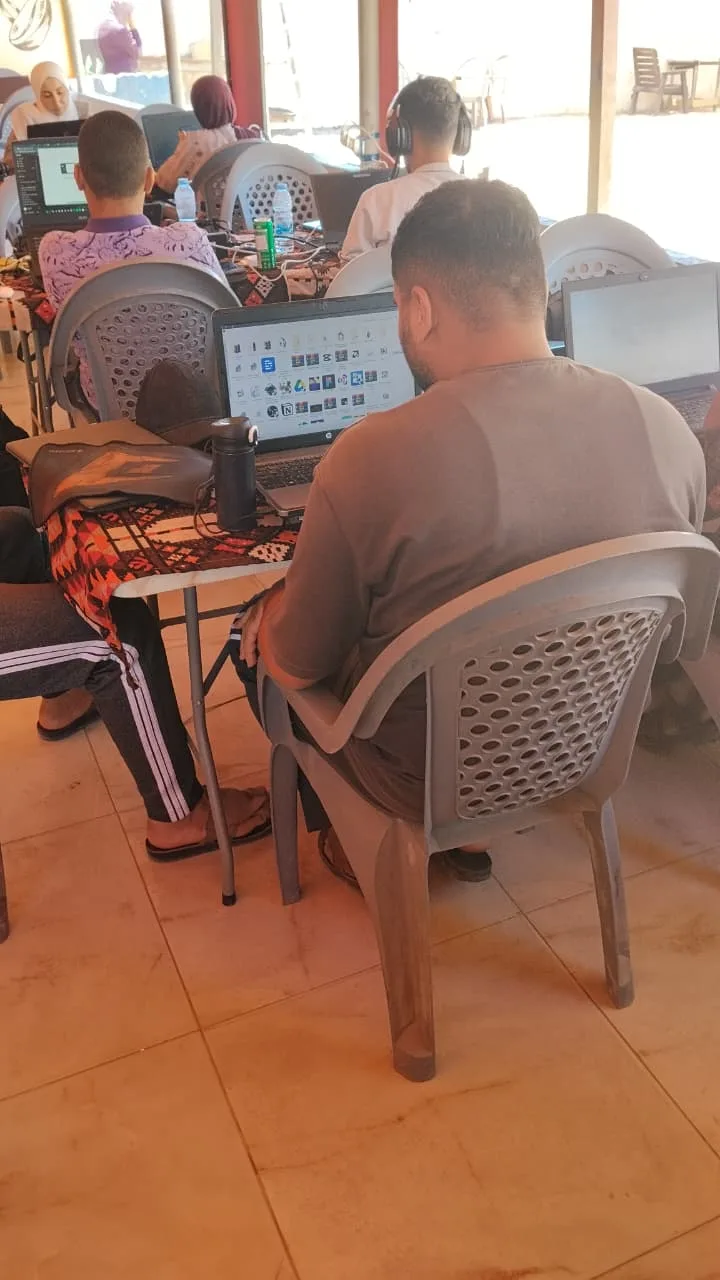
Students clustered closely together in the shaded part of the workspace
Students cluster in cooler, shaded areas — appropriate shading would recover the rest of the room.

Demand is not the barrier

The space already exists. The capacity does not yet.

The premises could accommodate about 200 students once fully equipped. Today, power, internet, heat, sun exposure and facility conditions limit the hub to 50–60 at a time. On busy days, students are turned away, asked to return later, or seated in sections without power.

50–60

Students served at one time today

~200

Students the space could serve, once equipped

Priority needs

Where support goes first

Each priority is a defined, solvable constraint. Capital works are confirmed through technical assessment and supplier quotations before funding is committed.

Energy and electricity

Priority 1 — power is the primary bottleneck

Energy and electricity

The current solar system cannot reliably meet minimum demand, especially on cloudy days, in winter, or as student numbers rise. When solar generation falls short, Riva Hub buys external generator power at up to about $10.00 per kilowatt-hour, sharply increasing daily costs. Proposed intervention, subject to technical assessment: additional solar panels, additional battery storage, a higher-capacity system such as a 5 kW or larger inverter, electrical infrastructure upgrades — or support for external generator costs.

Challenge

Limited, weather-dependent power

Intervention

Expand solar, storage, and system capacity

Expected result

Reliable power at more seats

Student impact

More students study and take exams without interruption

Heat, roofing and sunlight

Priority 2 — reclaiming unusable space

Heat, roofing and sunlight

The current roof traps heat, making the space extremely hot in summer. Fans help but do not solve the problem. Afternoon sun enters the western section, making it unusable and exposing laptops, cables, and equipment to heat. A technically assessed cooling, insulation, shading, or roofing solution is needed.

Challenge

Heat makes long study sessions hard

Intervention

Cooling, insulation, roofing and shading

Expected result

A comfortable space usable for more hours

Student impact

Longer, more productive study sessions

Internet and electrical infrastructure

Priority 3 — connectivity and outlets

Internet and electrical infrastructure

Internet capacity limits simultaneous online use, while basic electrical supplies — especially multi-outlet power strips — remain insufficient. Students sometimes bring their own. Even modest contributions produce immediate gains: enough power strips can activate an entire table, turning idle seats into working spaces.

Challenge

Weak connectivity and too few outlets

Intervention

Upgrade internet capacity and electrical supplies

Expected result

More simultaneous online users

Student impact

More lectures, exams, interviews and applications completed

Sanitation facilities

Priority 4 — dignity and daily capacity

Sanitation facilities

Men's and women's facilities require substantial repairs. This is essential infrastructure for a safe, dignified, and functional study environment. Sanitation directly affects dignity, safety, accessibility, and comfort. It also determines how long students can stay and how many people the hub can serve each day.

Challenge

Facilities inadequate for current and future demand

Intervention

Repair men's and women's facilities

Expected result

Safer, more dignified facilities

Student impact

Better conditions and higher daily attendance

Running costs

Keeping the service affordable

Running costs

High costs threaten affordability. External support would expand capacity and keep fees minimal, rather than forcing price increases on the students Riva Hub serves.

Challenge

High running costs

Intervention

Financial and operational support

Expected result

Less pressure to raise fees

Student impact

Services stay affordable to vulnerable students

Indicative support packages

Choose a practical starting point

Fund a defined operating need now, while capital upgrades are costed through technical assessment.

Keep students connected

$250

Keep students connected

One month of internet

Covers the internet service that lectures, exams, interviews and scholarship applications depend on.

Give $250
Keep the doors open

$825

Keep the doors open

One week of rent

Covers a week of rent on the former café premises that houses the workspace.

Give $825
Four-week continuity package

$3,550

Four-week continuity package

Four weeks of rent + one month of internet

The immediate continuity target. Variable generator power, maintenance, and repairs are excluded.

Give $3,550
Infrastructure upgrades

After assessment

Infrastructure upgrades

Energy, shading, electrical, and sanitation works

Capital works are confirmed through technical assessment and supplier quotations before funding is committed.

Discuss an upgrade

Immediate continuity target

$3,550

Covers four weeks of rent and one month of internet. Variable generator power, maintenance and repairs are excluded.

Opportunities to support

More than one way to help

Contributions can fund a complete package or one practical component.

A Riva Hub team member connecting a network switch on an outdoor wall beside the solar array

Equipment and in-kind support

  • Solar panels & batteries
  • Internet & electrical equipment
  • Power strips & furniture
  • Computers

Technical services

  • Engineering assessments
  • Roofing / shading solutions
  • Cooling & insulation
  • Sanitation rehabilitation

Funding and partnerships

  • Operating-cost support
  • Sponsorship & grants
  • Institutional partnership
  • Referrals & advocacy

Help Students Keep Learning.

Support power, shading, connectivity, electrical works or sanitation after technical assessment — or connect Riva Hub with an institutional partner.